If your windows feel cold, let in outside noise or develop condensation, you may be considering secondary glazing or double glazing. Both options add an extra pane of glass compared with traditional single glazing, but they do so in very different ways.
The right choice depends on your property, budget, planning restrictions and what you want your new glazing to achieve. Understanding how each option works can help you make an informed decision.
What is secondary glazing?
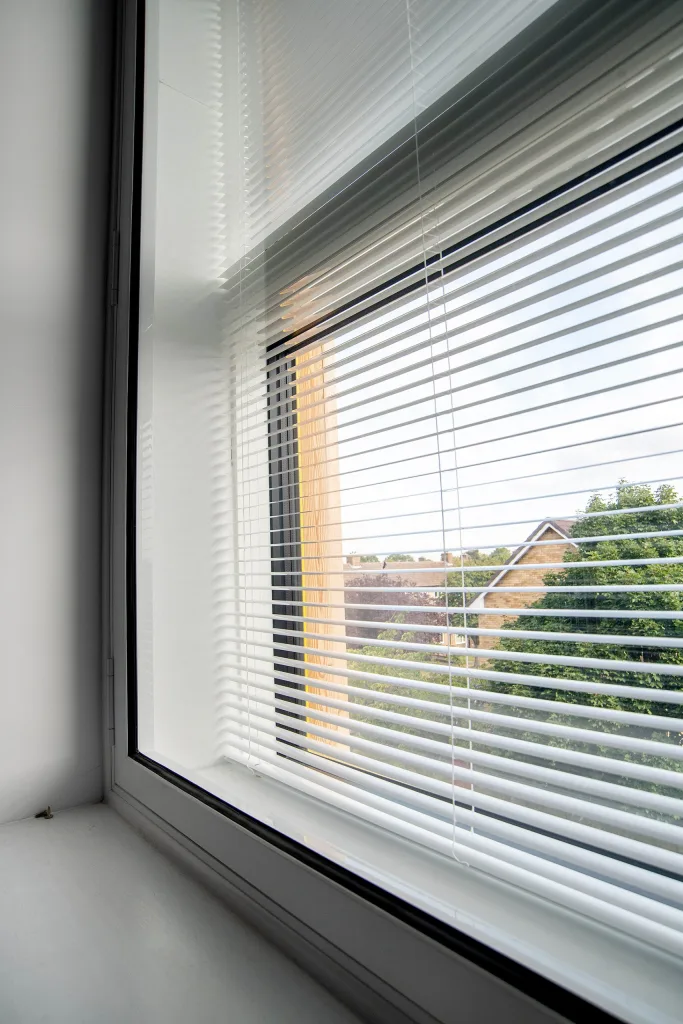
Secondary glazing involves fitting an additional pane of glass inside an existing window. The original window remains in place, with the new internal panel creating an insulating layer of air between the two panes.
Panels can be fixed or designed to slide, lift or open, allowing access to the original window. As the external frame is retained, secondary glazing causes little or no change to the outside appearance of a property.
This can make it a practical option for period properties, conservation areas and listed buildings where replacing original windows may be restricted. Listed building consent may still be required, so it is important to check with your local planning authority before starting work.
What is double glazing?
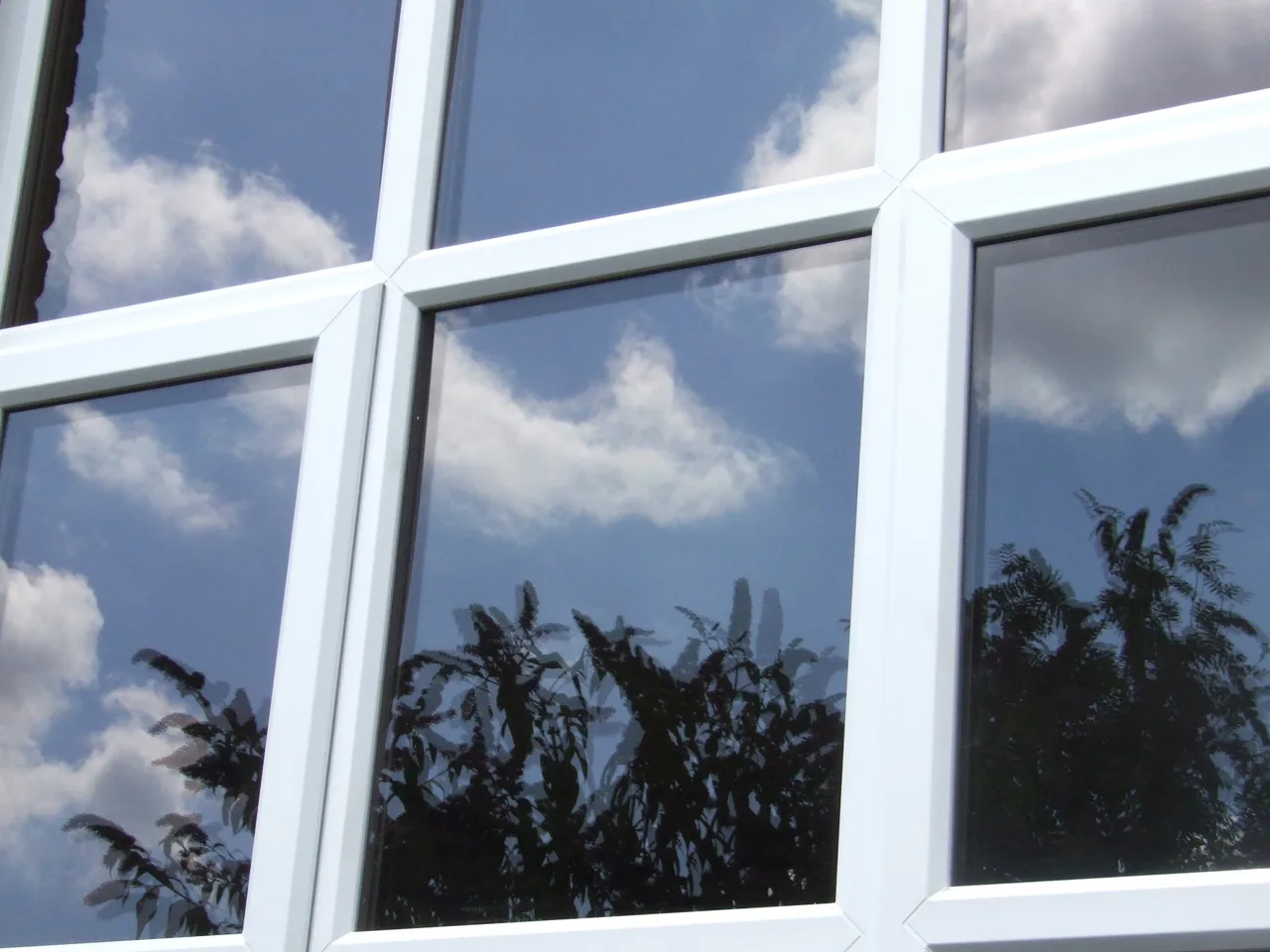
Double glazing uses a sealed glass unit containing two panes separated by a spacer bar. The space between the panes is usually filled with air or an insulating gas. This sealed unit is fitted within a new or suitable existing window frame.
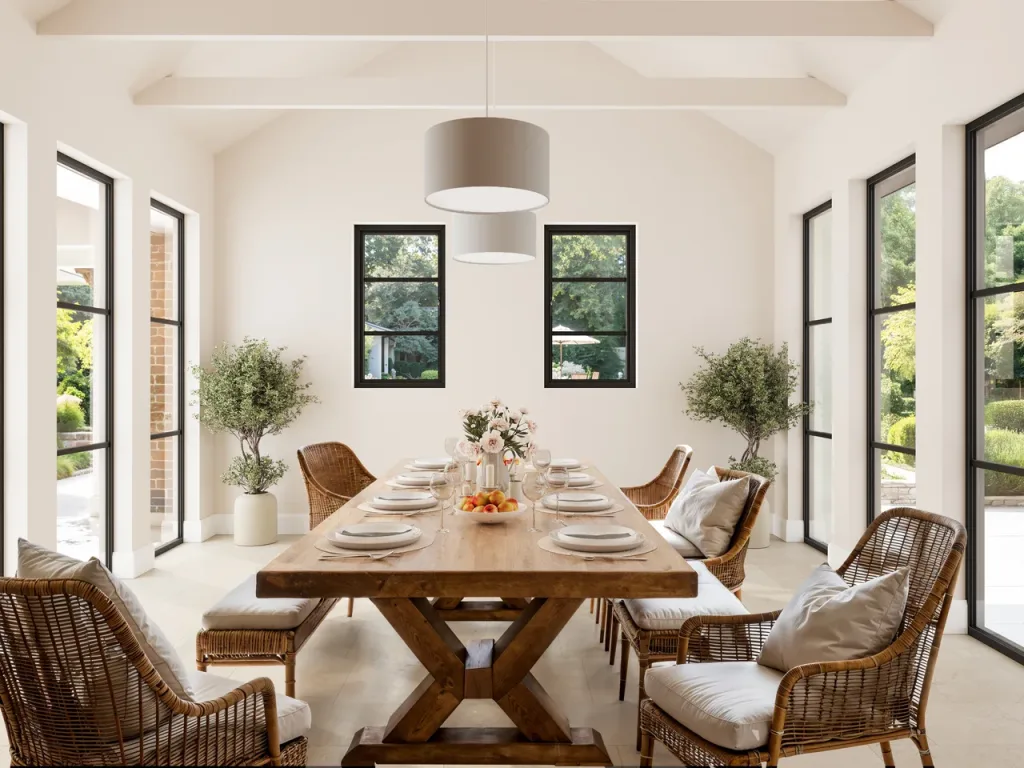
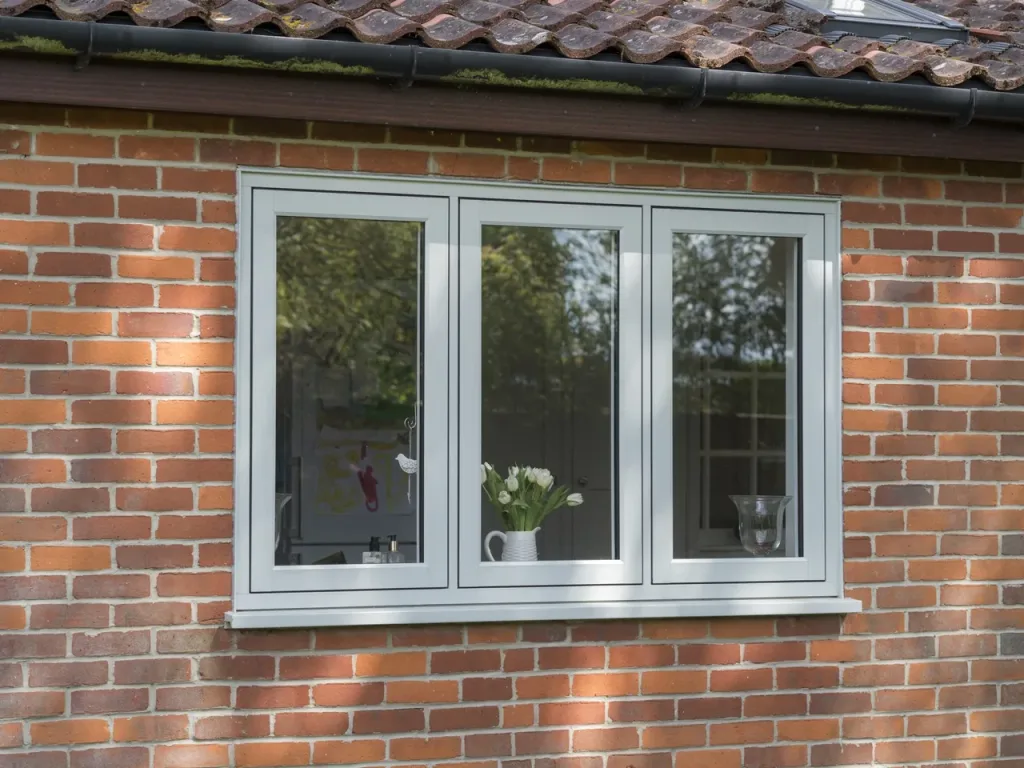
When homeowners replace older single glazed windows, the complete frame is usually removed and replaced. Modern double glazed windows are available in several materials and styles, including uPVC windows, aluminium windows, casement windows and flush sash windows. This gives you more freedom to update the appearance, operation and security of your windows at the same time.
| What to compare | Secondary glazing | Double glazing |
|---|---|---|
| How it works | A separate pane is fitted inside your existing window. | Two panes form a sealed unit fitted into a suitable existing frame or a new window. |
| Warmth and draughts | Adds an insulating layer while keeping the original window. | Reduces heat loss. Replacing worn frames can also help tackle draughts. |
| Noise reduction | The wider gap between panes can help reduce outside noise. | Can reduce outside noise. Performance depends on the glass, the gap between panes and the seals. |
| Appearance | Retains the exterior appearance. The inside panel can affect access to handles or shutters. | Full replacement gives you a choice of frame colours, finishes and opening styles. |
| Cost and installation | Usually costs less and causes less disruption than full window replacement. | Full replacement typically costs more and also renews the frames, locks, hinges and seals. |
| Best suited to | Homes where keeping the original windows is a priority. | Homes with worn frames or where a new window style or opening mechanism is wanted. |
How do they compare for warmth?
Both options can reduce heat loss compared with single glazing. Secondary glazing creates an additional barrier between your room and the outside, which can make the area around the window feel more comfortable.
Double glazing forms an integrated sealed system. Its thermal performance depends on factors including the glass specification, frame material, seals, spacer bar and quality of installation. Replacing the full window can also address draughts caused by ageing or damaged frames.
Secondary glazing may be suitable when the existing frames are in good condition and need to be retained. Double glazing may make more sense when the current windows are deteriorating or no longer close properly.
Which option reduces noise?
Secondary glazing can provide strong noise reduction because there is often a larger gap between the original window and the internal pane. Different glass thicknesses can also help reduce a broader range of sound frequencies.
Double glazing can reduce everyday external noise, although results vary according to the glass specification and the distance between the panes. If noise reduction is your main priority, factors such as acoustic glass, window seals and installation quality should form part of the discussion.
Appearance and available space
Secondary glazing is visible from inside the room. Although slim frames can keep the appearance discreet, the additional panel may reduce space on the window sill and affect access to handles, shutters or blinds. The internal pane will also need to be opened or removed when cleaning the original glass.
Double glazing replaces the existing window and does not add another internal frame. It offers a wider choice of colours, finishes and opening styles, making it possible to choose windows that suit both the property and your day to day requirements.
Cost and installation
Secondary glazing is generally less disruptive because the original window remains in position. Installation can often be completed without affecting external brickwork or internal plaster around the existing frame. Costs depend on the window size, glass and opening mechanism.
Replacing windows with double glazing usually requires a larger initial budget. The final cost will depend on the frame material, style, dimensions, glazing specification and any additional features. It may also provide a broader update by replacing worn frames, locks, hinges and seals in one project.
Choosing for your property
Secondary glazing may suit a home where retaining original windows is important, planning restrictions apply or a less disruptive installation is preferred. Double glazing may suit homeowners who want to replace older frames, choose a new window style or install a fully sealed window system.
There is no single answer for every property. At WindowsPlus, we can discuss the condition of your current windows, your preferred appearance and the results you want from the project. Get in touch to learn more about your options or get a quote for replacement windows.
Related Articles
- Benefits of Secondary Glazing
- The Benefits of Double Glazed Windows
- How to Choose the Right Window Style for Your Home
Frequently Asked Questions
Yes, provided there’s enough space inside the window recess. It can be worth considering if traffic noise is still a problem. Check that the extra panel leaves room to operate the window handles, blinds or shutters.
Usually, yes. The original frame stays in place, which typically makes installation less expensive than replacing the entire window. The price depends on the window size, the glass you choose and how the secondary panel opens.
Secondary glazing can be more effective when it creates a wider air gap between the panes. Double glazing with acoustic glass can also help. With either option, the glass specification and how well the window is sealed affect how much noise gets through.
Yes. Secondary glazing can keep the room-facing pane warmer, making condensation less likely to form on it. Indoor humidity and ventilation also affect how much condensation you see.
Yes, secondary glazing can be an option if you want to keep the original windows. Whether you need listed building consent depends on how the installation affects historic features such as shutters, frames or glass. Check with your local planning authority before starting work.